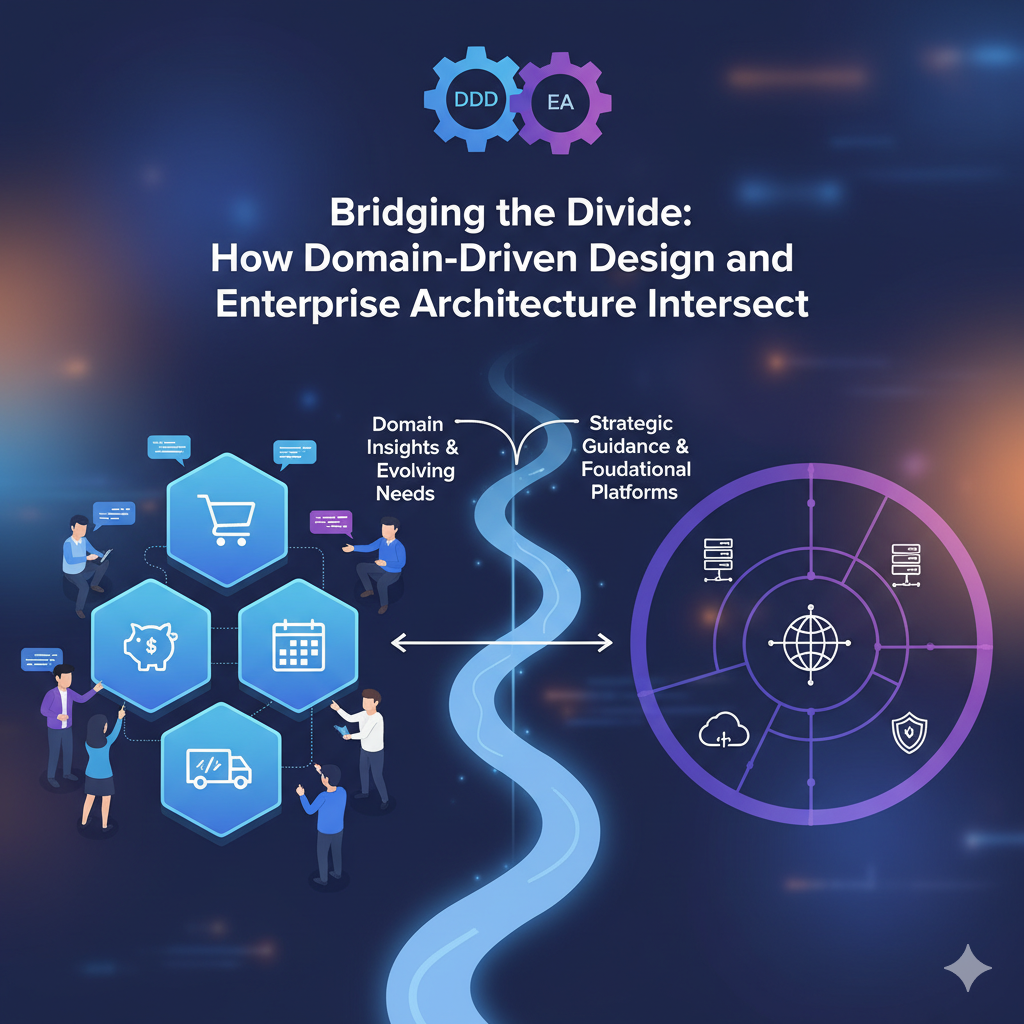
Transformation inherently involves people, processes, and resources, which only may include technology.
Departments that focused on ‘Systems and Procedures’ during the pre-computer era understood that the system comprised a combination of processes, data, and their utilisation by people. As the departments evolved from Electronic Data Management and Management Information Systems to Information Technology, the roles within this field changed. Little little attention is given to the system that IT is a part of. When the term ‘system’ is used—such as in ‘systems programmer’ or ‘system administrator’—it tends to refer to a technological component or software program, rather than the overall business system. While ‘Systems and Procedures’ focused on business operations, IT looked inward, concentrating on itself.
A warning sign in an organization is when IT personnel refer to the “Business of IT” or claim that there have distinct IT or technology capabilities (see Business Capabilities vs. Technical Capabilities | Ardoq). In reality, there is only one type of capability, defined at the business level, of which IT is a part.
‘Systems thinking’ was rediscovered by IT in the 2010s. For too long, IT believed it had the solution without fully understanding the underlying problem, much like how software vendors in the 1980s viewed their ERP offerings.
Focus on how you define the effect of change and how you are measure them over extended timescales – benefits realisation. It is crucial to understand how technological changes impact processes and people, and how these changes influence the solutions being developed. Testing does not conclude with functional tests and the release to production; it should include ongoing feedback from real users.